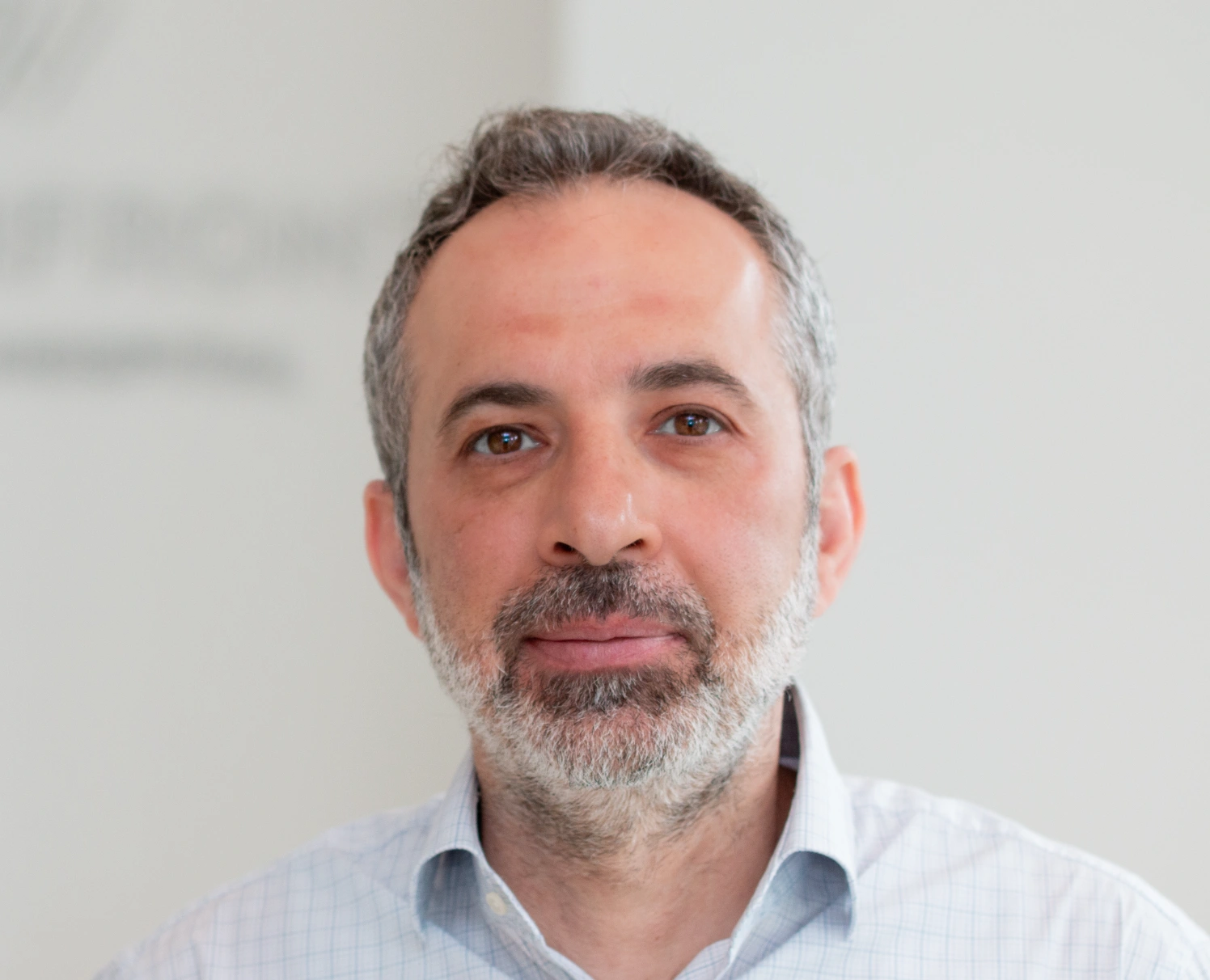
Mr Omar Quaba
Consultant plastic surgeon
GMC 4586300
Breast augmentation at Quaba Plastic Surgery has been performed in Edinburgh for over 30 years, by consultant plastic surgeons on the GMC Specialist Register. Surgery takes place at Waterfront Private Hospital using Nagor Perle nano-textured silicone implants. The consultant who plans your surgery is the same consultant who performs it and reviews you afterwards. Implant size, shape, and placement are explored at consultation using Crisalix 3D imaging.





I am now 10 months post breast augmentation with Dr Quaba, and honestly, I couldn’t be happier with my decision!
After researching for quite some time, I had consultations with a few different surgeons, but Dr Quaba was by far the one I felt most comfortable and at ease with. Having undergone open-heart surgery as a little girl, going under anaesthetic was something I had thought long and hard about, and I had been sitting on the fence about having breast augmentation for years. It was so important for me to find a surgeon I felt I could completely trust, and Dr Quaba gave me that confidence.
Read the full review
After having four children and breastfeeding them all, I felt I had lost so much of my natural breast tissue. My confidence, especially wearing swimwear on holiday, just wasn’t where I wanted it to be anymore.
Looking back now, I honestly wish I had done it years ago! The difference it has made to my confidence has been amazing, and I’m so glad I finally took the step. From my initial consultations to the whole experience, I felt reassured and in safe hands.
I cannot recommend Dr Quaba enough. I genuinely recommend him to everyone I speak to who is considering breast augmentation. If you’re sitting on the fence like I was, I would definitely recommend booking a consultation and having that conversation.
I was a patient of Dr Omar Quaba in April of this year for breast implants and uplift and cannot fault any aspect of my experience. From initial consultation to post op – I felt in incredibly safe hands every step of the way. Dr Omar is a very honest, knowledgeable and skillful surgeon. He was totally honest and realistic about my expectations in regards to my results and recovery which I very much appreciated.
Waterfront Hospital itself is immaculate, modern, clean but clinical. All staff I encountered on the day of my surgery and for my post operative check ups were very caring and professional.
I am absolutely delighted with my results, the surgery has completely restored my confidence after having two kids and has made getting dressed a much more enjoyable experience. Overall I couldn’t be any happier and wouldn’t hesitate to recommend this surgeon or hospital itself to anyone I knew who was considering surgery.
Thank you so much dr Omar!
Re Mr W Anderson: I cannot thank you enough for the excellent surgery you performed on me 26 June 2025. I am thrilled with the results, in fact of all the breast augmentations and reviewed surgery I have had over the years this in fact has given the best result. It’s only been three weeks and I still have a bit of swelling to go down ie the troublesome left one, but already I can see your work is excellent.
Quoted word for word from Trustpilot. Read all our reviews
Breast augmentation suits women in good general health whose breasts are fully developed and who have a clear sense of the change they want. Common reasons include loss of volume after pregnancy or weight loss, breasts that feel out of proportion with the rest of the body, and longstanding asymmetry.
Breast augmentation is not the right operation for everyone. Where the nipple has dropped below the level of the breast crease, a breast uplift — alone or combined with an implant — may be more appropriate. Where only a modest increase is wanted, fat transfer to the breasts is an alternative. The right option for your anatomy is assessed at consultation.
Unsure? Try the free AI consultation, or ask at your appointment.
Breast augmentation places a silicone implant behind the breast tissue, or partly behind the chest muscle, to increase breast size or restore volume that has been lost. Surgery takes place as a day case at Waterfront Private Hospital under general anaesthesia and takes 1 to 2 hours.
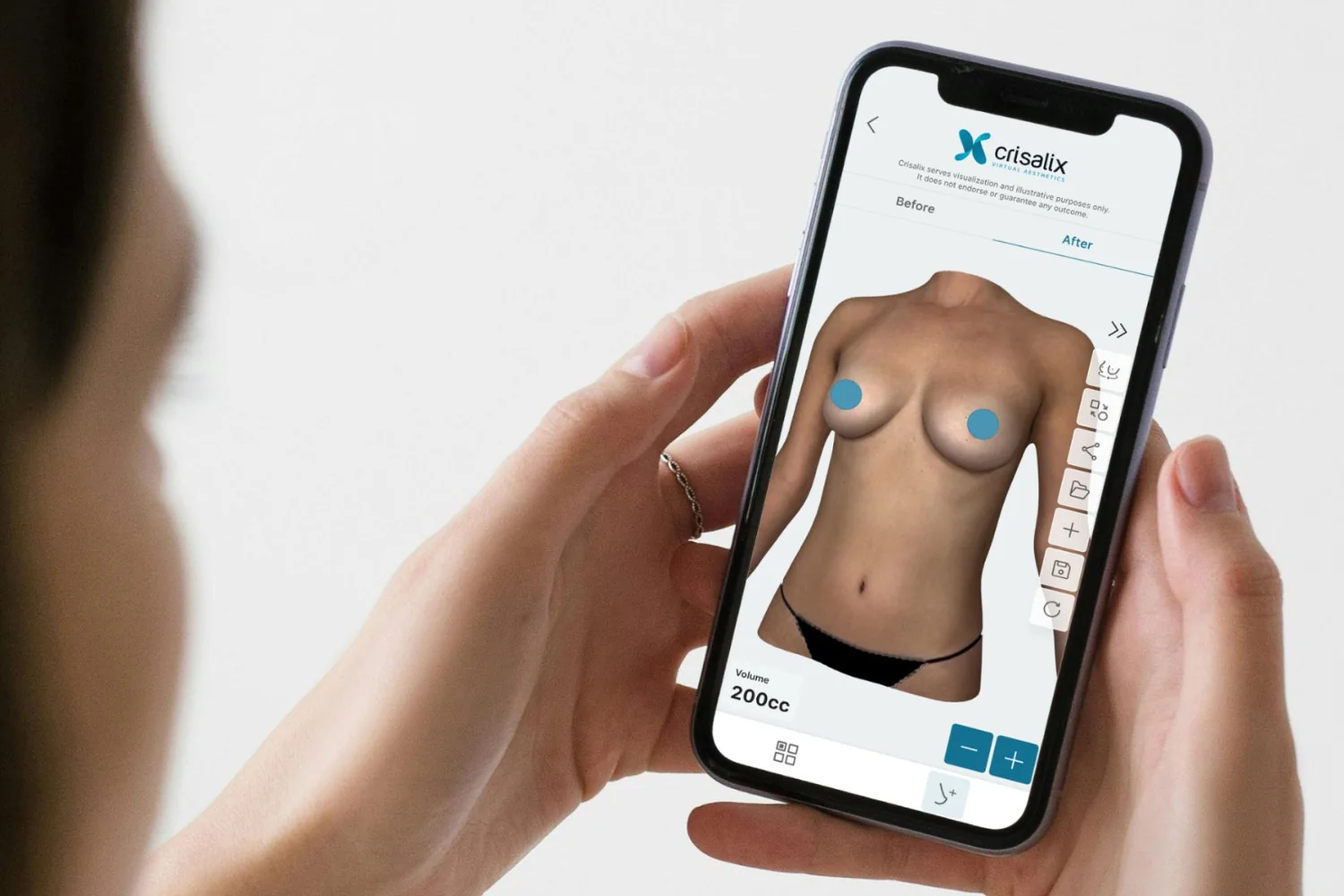
Planning begins at consultation with the consultant who will perform your surgery. Your goals are discussed, your breasts are examined, and implant size, shape, surface, and placement (above the muscle, below the muscle, or dual plane) are considered in detail. Sizers and Crisalix 3D imaging are used so you can see and feel different volumes before deciding.
A pre-operative assessment confirms you are fully prepared for surgery, including a review of your medical history, baseline observations, and any blood tests needed. On the day, the incision is placed in the breast crease and the implant is positioned in the plane agreed at consultation. You are discharged the same day.
The consultant who assesses you at your first appointment is the consultant who plans your surgery, performs it at Waterfront Private Hospital, and reviews you afterwards.
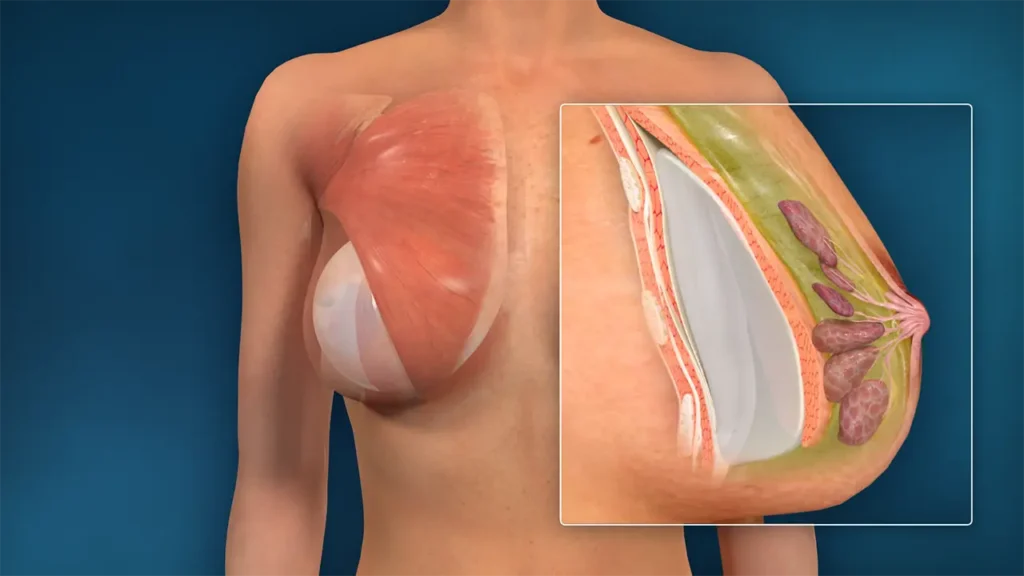
Breast implants are defined by their filler material. Saline implants have a silicone elastomer shell that is filled with sterile saline at the time of surgery. Silicone implants are pre-filled with cohesive medical-grade silicone gel. Saline implants are rarely used in Europe because the feel is generally less natural than silicone. The implants used at Quaba are silicone.
The implant surface can be smooth, micro-textured (sometimes called nano-textured), or textured. Heavily textured implants are no longer in routine use because of their association with BIA-ALCL (a rare cancer). The current standard is towards smooth or nano-textured implants. The implants used at Quaba are Nagor Perle nano-textured implants, which are categorised as smooth-surface.
Round implants are the most commonly used shape in cosmetic breast augmentation. Anatomical (teardrop) implants have a tapered profile from upper pole to lower pole and must be textured to reduce the chance of rotation. Anatomical implants can be useful in a subset of patients with extra loose tissue at the lower part of the breast. Once positioned, round implants take on a teardrop shape with the upright posture; published studies suggest that observers cannot reliably distinguish round from anatomical implants in upright patients.
Implant size is described by volume in millilitres (ml), sometimes written as cc. Common breast-augmentation implant sizes range from approximately 250 ml to 400 ml, with small increments in between (typically 15 to 20 ml steps).
Nagor Perle implants are manufactured by GC Aesthetics, a long-established European breast implant company. The Perle line uses a smooth-surface shell with a low-surface-roughness finish (the manufacturer’s name for this is the BioQ-Surface) and a 6th-generation highly cohesive silicone gel that fills the implant completely. The combination is designed to give the implant a firm but soft feel and to maintain its shape over the long term. A range of sizes and profiles is available; the size and profile chosen for your case are decided at consultation, taking into account your existing breast tissue, chest wall measurements, and the result you are looking for.
Crisalix 3D imaging is used at consultation to help you see how different implant sizes and shapes might look on your body before surgery. A 3D model of your breasts is generated from a brief in-clinic scan, and the model is used to compare options side by side.
3D imaging is one of several tools used at consultation. Sizers (try-in implants you can place inside a supportive bra) are also used to give a tactile sense of size alongside the visual preview.
Breast augmentation is a good operation for the right reasons. It is not the answer to everything, and we would rather you heard that from us now than found it out afterwards.
Your consultant will tell you at your consultation which of these apply to you.
The full price for your individual case can only be confirmed after a face-to-face consultation with the consultant who will perform your surgery. Combined breast augmentation with breast uplift (augmentation mastopexy), revision implant surgery, and fat transfer breast augmentation are quoted separately, as time and complexity differ.
Our consultation fee with a consultant plastic surgeon is £200. Where a further consultation would help you reach a decision, this is offered without additional charge.
Quick answers
Will the same surgeon plan, perform and review my breast augmentation?
Yes. The consultant who assesses you at your first appointment is the consultant who plans your surgery, performs it at Waterfront Private Hospital, and reviews you afterwards. There are no handovers between consultants.
Who will perform my breast augmentation?
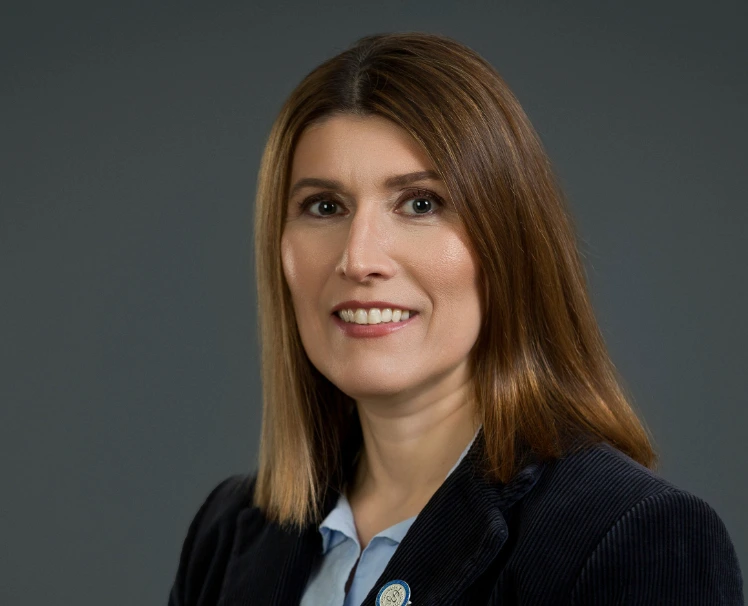
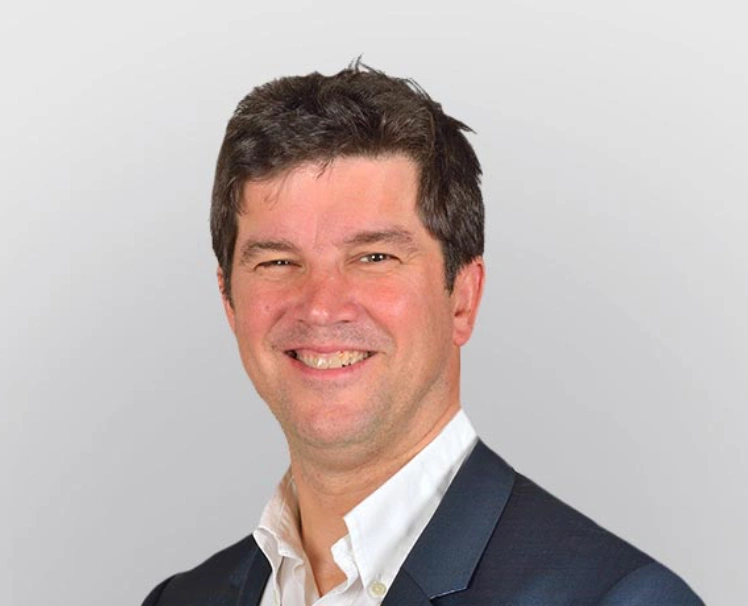
Your breast augmentation is planned and performed by one of our consultant plastic surgeons, Mr Omar Quaba, Mr Will Anderson, Ms Ewa Majdak-Paredes and Mr Ken Stewart, all on the GMC Specialist Register. You choose your consultant, meet them at your first appointment, and the same consultant operates and sees you afterwards.
Can I see results from your surgeons?
Yes. Our breast augmentation before and after gallery shows patients treated at Quaba Plastic Surgery, shared with their consent. Results vary between people, and your consultant will show you what is realistic for you at your consultation.
What happens if I have concerns after my surgery?
Your Quaba consultant stays responsible for your care after surgery. A nurse sees you a week after your operation, more often if you need it, and your consultant reviews you at around six months, when the result has settled. If anything worries you before then, contact us and your consultant will reply directly and see you as soon as needed.
How much does breast augmentation cost?
Breast augmentation at Quaba starts from £6,800. The price covers the surgeon’s fee, the anaesthetist’s fee, the implants, the hospital and theatre fee at Waterfront Private Hospital, and all post-operative reviews until discharge. The full price for your individual case is confirmed after a face-to-face consultation.
All our guide prices are on our pricing page.
How do I choose what implant size to go for?
Implant size is chosen at consultation using a combination of three tools: physical sizers worn inside a supportive bra so you can see and feel different volumes; Crisalix 3D imaging so you can compare options on your own image; and the surgeon’s assessment of your underlying anatomy and chest wall measurements. Bringing fitted tops to consultation can help you judge how different sizes look in clothing you would actually wear. Both implant shape (round or anatomical) and placement (above the muscle, below the muscle, or dual plane) are also discussed.
What if my breasts are also a little droopy?
If breast tissue has lost volume and the position of the nipple has dropped below the breast crease, an implant alone may not produce the result you are looking for. A combined breast augmentation with breast uplift (augmentation mastopexy) may be more appropriate. Whether you need an uplift depends on the position of your nipples relative to your breast crease, the size of implant you are considering, and how much pregnancy or weight loss has affected your breast tissue. This is assessed at consultation.
Will my implants need to be replaced over time?
Implants are not lifetime devices. Many people have them replaced or removed after about 10 to 15 years, most often because of capsular contracture, rupture, or changes in breast shape after pregnancy, weight change or age. Replacement is not automatic at a set date. If you have any concern, ask us to check your implants with ultrasound.
Are there alternatives to breast implants?
Fat transfer to the breasts is an alternative for patients seeking a modest size increase (typically half a cup to one cup). Fat is harvested from areas such as the abdomen or thighs through liposuction, processed, and injected into the breast. Fat transfer uses your own tissue, has only small incisions, and avoids implant-specific risks such as capsular contracture or rupture. Some of the transferred fat is reabsorbed by the body, so results vary and further treatments may be needed. For a larger size increase or for reliable upper-pole volume, implants remain the more predictable option.
When would I choose fat transfer over implants, or implants over fat transfer?
Fat transfer suits patients who want a modest, natural-feeling enhancement, who have enough donor fat for harvesting, and who are comfortable with some uncertainty in the final volume. Implants suit patients who want a larger or more reliable size increase, more defined upper-pole fullness, or who do not have sufficient donor fat. Cost is also different: fat transfer is generally more expensive than implant augmentation because it involves both liposuction and the fat injection process, and may need more than one treatment.
Where will my scars be?
The scar is typically placed in the breast crease (the fold beneath the breast) and is approximately 5 cm long. Scars are permanent. They are usually pink for several months and gradually fade over up to 18 months. In a small number of patients scars can become thickened, red, or itchy (keloid or hypertrophic scarring).
When can I return to work and exercise?
Most patients return to desk-based work after 1 to 2 weeks. A supportive non-wired bra is worn day and night for 6 weeks. Driving is generally resumed once you can perform an emergency stop without discomfort, typically at 2 weeks. Strenuous exercise — running, gym work, anything involving the chest or arms — should be avoided for 6 weeks.
Will I be able to breastfeed after breast augmentation?
Most patients are able to breastfeed after breast augmentation. The incision in the breast crease and the placement of the implant either above or behind the muscle are chosen partly to minimise disruption to the milk ducts and the nerves supplying the nipple. Breastfeeding is not guaranteed, however, and any concerns about future breastfeeding should be raised at consultation.
What is breast implant illness?
Breast implant illness is the term used by some patients to describe a constellation of symptoms — including aches, fatigue, joint pain, and cognitive symptoms — that some women associate with their silicone breast implants. There is currently no definitive evidence that silicone implants cause these symptoms, but some patients report improvement after implant removal. This is an area of ongoing investigation. Further information is available from BAAPS.
You meet your consultant at your first appointment. The same consultant plans your surgery, carries it out and sees you afterwards.
Every operation carries risk. Here they are in three groups. The figures come from UK national guidance and published studies, averaged across many patients, so your own risk may be higher or lower. Your consultant will go through what applies to you, and every risk is in your written consent.
About 1 in 20over ten years
About 1 in 20over ten years
About 1 in 10
About 1 in 15
About 1 in 30
Under 1 in 100
1 in 100or fewer
About 1 in 12,000implants sold in the UK, all types
Under 1 in 1,000
Very rare
More from BAAPS on breast augmentation, the MHRA on breast implants and the NHS on breast enlargement.
Discomfort and pain
Some discomfort is normal in the first few days after surgery, particularly where implants are placed under the chest muscle. Numbness around the nipple and the incision is common in the early weeks. Tightness, swelling, and bruising in the breast area are typical. Oral pain relief is generally sufficient.
Bruising and swelling
Breasts feel tight and swollen for several days. Bruising is common and settles over two to three weeks.
Appearance
Most of the swelling resolves over 4 to 6 weeks. Scars may appear red for up to six months and gradually soften and fade. The implants tend to drop by 1 to 2 cm over six months as the tissues relax. The final result should be judged at six months.
Returning to activity
A supportive non-wired bra is worn day and night for a minimum of 6 weeks and then daily for 6 months. Most patients return to desk-based work within 1 to 2 weeks. Strenuous exercise involving the chest or arms is avoided for 6 weeks.
Follow-up and reviews
A nurse reviews you at one week, and more often if needed in the early healing period. Your consultant sees you again at around six months once the result has settled. Between then, your consultant is always available — if anything concerns you, they will respond directly and arrange to see you as soon as needed.
More detailed advice is available on the breast augmentation aftercare page.